 Dodgers Digest Los Angeles Dodgers Baseball Blog
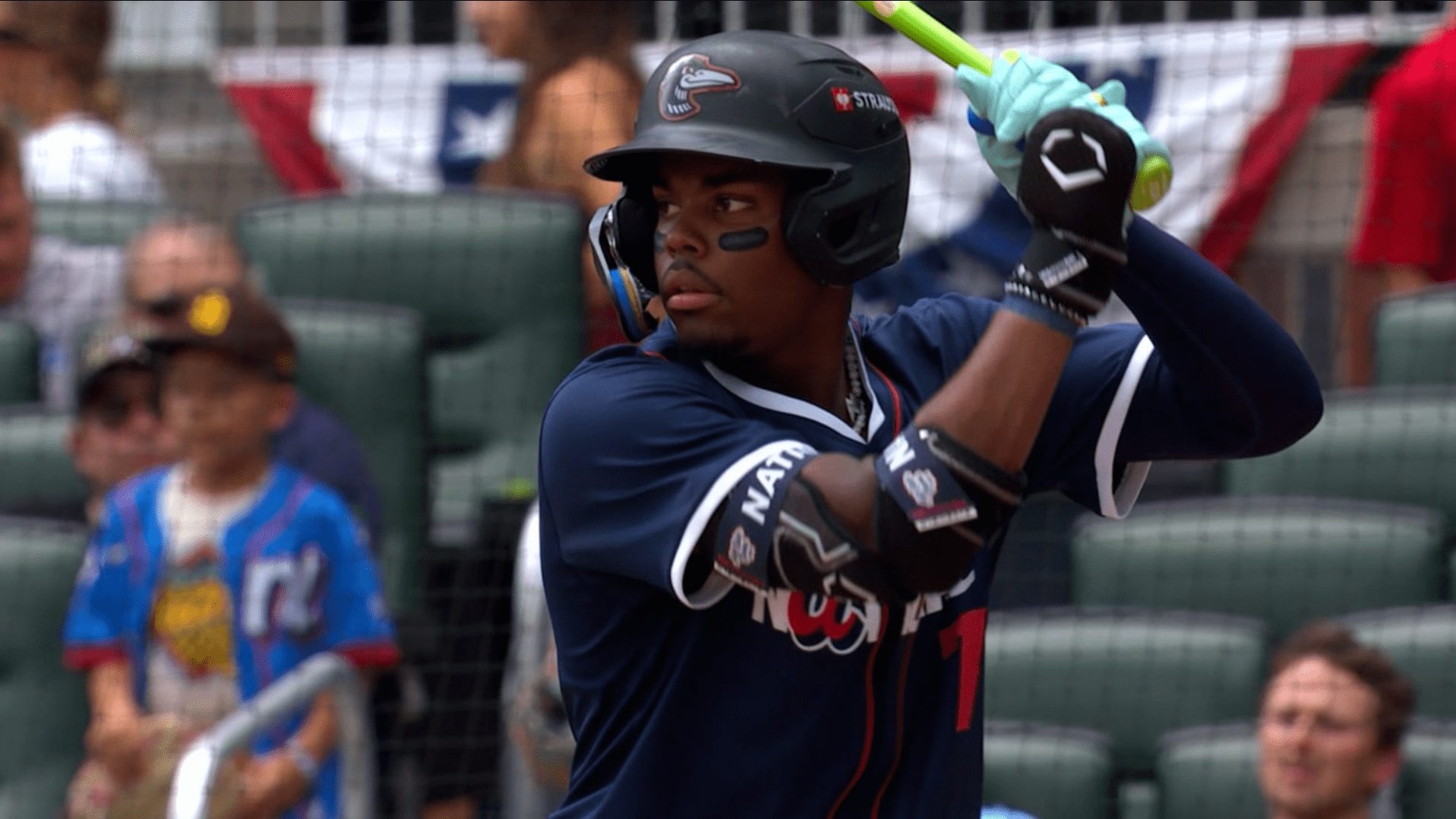
An extremely prospect-centric edition today as it seems like everybody updated their list for midseason purposes, and obviously there’s the trade deadline coming up so it’s peak time for people wanting to know about them all.
======
Future Dodgers: Somewhat similar to an article Dustin recently wrote about potential deadline prospect trades, here are some names for so-called challenge trades that seem to matchup well, with the systems of the Mariners, Rays, Blue Jays, Tigers, Phillies, and Rangers named as top candidates for the Dodgers.
It’s extensive and free, so give it a look.
——
Baseball Prospectus: The Dodgers have placed a whopping seven prospects in their midseason Top 50: Josue De Paula at #3, Mike Sirota at #13, Zyhir Hope at #20, Eduardo Quintero at #22, Christian Zazueta at #38, Emil Morales at #39, and Zach Root at #43.
FanGraphs: Eight Dodgers prospects in their midseason Top 111: De Paula # 17, River Ryan at #21, Sirota at #22, Quintero at #35, Zazueta at #36, Root at #52, Hope at #57, and Morales at #76.
Baseball America: They have six Dodgers prospects in their midseason Top 100: De Paula at #4, Sirota at #14, Quintero at #18, Morales at #37, Zazueta at #50, and Hope at #55.
The Athletic: Seven in their midseason Top 70: Quintero at #15, Sirota at #17, De Paula at #18, Hope at #26, Ryan at #41, Tibbs III at #46, and Charles Davalan at #63.
Landon Baylon: Quality stuff within this Dodgers midseason Top 30, and as you scroll down and the names are still familiar, you really get an idea of how flush with talent this farm system is at the moment.
Baseball America: A review of the 2026 MLB Draft by the Dodgers, where things understandably revolve around Bo Lowrance, who was also awarded their most exciting tool (power). Russell Sandefer was named as the draftee to be quickest to the majors, while Ethan Sutton was named as their favorite pick from Day 2, and Cody New as the biggest gamble due to his health.
Sutton posted a 4.69 ERA over 48 innings—mostly out of the bullpen—and attacks hitters with a four-pitch mix. He sits in the mid 90s and touches 97-98 mph with a fastball that he throws from a three-quarters slot. Against righties, his go-to secondary is a low-to-mid-80s sweeping slider, and against lefties his go-to secondary is a mid-80s changeup. Sutton also throws a slower upper-70s curveball with a bit more depth, but it can blend into his slider at times.
He’s a fringy strike-thrower who has better feel to land his fastball and slider than his other two secondary pitches.
TJStats: Hope is providing hopium with his contact rate improvement while maintaining the exit velocities that made him a top prospect.
Hope wields a very loud bat (106.8 mph EV90) with a swing geared for loft, but has struggled to limit his whiff throughout his career. This season, he has maintained that same power while drastically cutting down his strikeout rate against the toughest competition he has faced. Those improvements have helped him easily clear his career-high in home runs, now sitting at 19.
Also featured are Quintero and Root (the whole farm system has been hot).
——
The Athletic: Jayson Stark did his annual assessment of the Hall Of Fame cases for active players, which is always an interesting exercise.
Notably, he has Freddie Freeman, Mookie Betts, and Shohei Ohtani in already, old friend Corey Seager in the stalled category due to injury, old friend Kenley Jansen and new friend Edwin Diaz floating with the closers towards both extremes of that category, Will Smith in potential catchers, Kyle Tucker and old friend Cody Bellinger in the three-year watch list, and Yoshinobu Yamamoto in the five-year watch list. There’s also much-more-temporary old friends Manny Machado, Trea Turner, and Craig Kimbrel mentioned.
Among the Dodgers there’s not a lot of controversy, as most of the guys on this are either hard to argue against or are just thrown out as notables to watch going forward. Probably the most contentious would be Kenley, but I figure with the other closers getting in, he has to be in at this point as he matches up well with those contemporaries. The other stuff is mostly people raging about whether somebody deserves to be even mentioned or not, but that’s rather silly to get upset about to me. Time will sort most of that out, after all.
Honestly, it mostly made me think about how they’re going to handle pitchers in the future, because almost none of the modern variety are gonna even come close to the usual milestones for induction, much less meet them. That probably bodes well for Yoshi if he can stay healthy, but while he’s already secured a legacy, the Hall Of Fame is a tough shout for anybody currently in their third MLB season. Maybe he can get some credit for his work in Japan if he gets close enough.
Baseball America: Thought this was a great and timely article for the upcoming trade deadline since it tackled how many traded prospects pan out, plus which level, age, and position were the best bets.
Of the nearly 700 prospects traded, 44% have not reached the majors post-trade. Another 26% reached the majors, but have produced 0 or negative WAR. Another 12% have produced less than 1 career WAR.
Overall, more than seven out of 10 prospects (70%) traded didn’t really pan out.
A lot of people talk about prospects on social media as if most of them work out, so if they don’t then it’s an indictment of a team’s drafting and development. It won’t shock you that those people are disconnected from the truth of the matter. A player becoming an average regular is a huge win for almost all prospects. That’s reality.
Anyway, it’s unsurprising that teams should be more willing to part with prospects further from the majors…
Nearly 14% of prospects who had played in Triple-A have gone on to produce 3-plus WAR. That number dips slightly (to just under 12%) for Double-A prospects. It falls to just under 9% for High-A prospects and picks back up to just under 12% for Low-A prospects.
For players who are in Rookie ball (we lumped all Rookie leagues and 2019 and earlier short-season leagues together), the number drops dramatically, falling to just over 7%. For teams acquiring a rookie ball prospect, there has been a nearly 9 in 10 chance said player will either not reach the majors or fail to produce positive WAR.
…and guys who are between 19-21 years of age.
The level of experience and age for a player at the time of the trade are obviously somewhat related, but there isn’t a perfect correlation. We don’t want to make too much of a generalization, but it is notable how 19 and 21-year-olds seem to be the sweet spot.
Positionally, it also makes sense that the hit rate for shortstops is the highest, mostly because they can usually find a position somewhere, even if not short. After all, if you trade for a first baseman or designated hitter, it’s hit the hell out of the ball or bust.
Some things to consider when coming up with trade proposals and/or judging them after the fact.
======
The clock is indeed ticking towards the deadline. And now it’s audible.
